
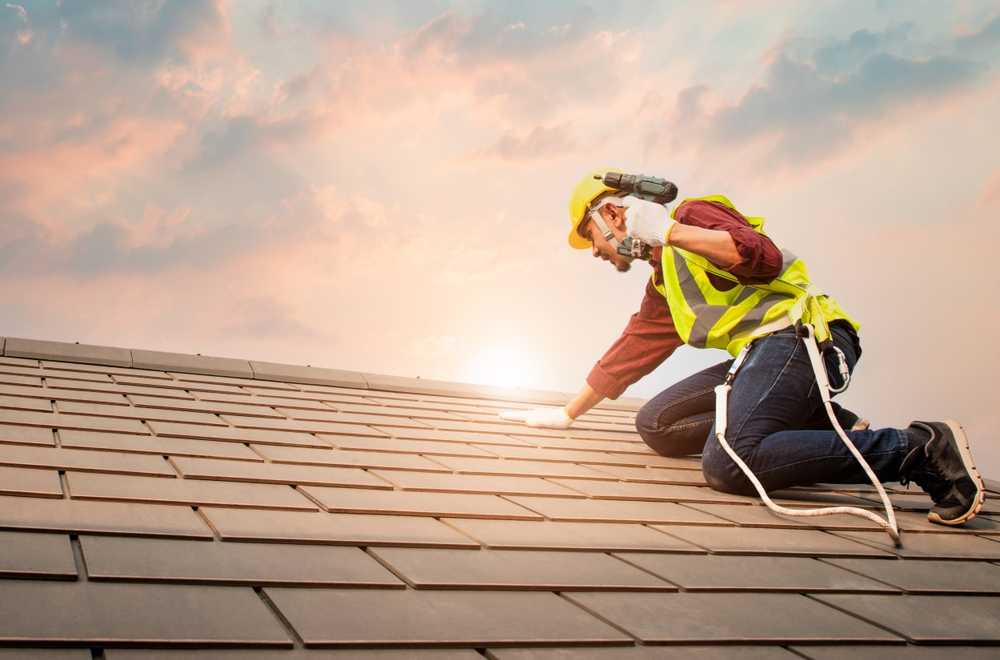
Putting in a new roof stands as one of the most substantial investments you can make for your house. It enhances the aesthetic appeal and provides critical protection against weather elements. Prior to embarking on this significant project, homeowners should ponder various factors to guarantee a successful and streamlined roof installation. Our team at Amenity Roofing is here to explain eight key factors to consider before roof installation, helping you make informed decisions and ensuring your roofing project succeeds.
Factor 1: Roof Installation Material Options
Asphalt Shingles
Asphalt shingles are favored for their cost-effectiveness, flexibility, and simple roof installation process. Coming in a range of colors and designs, they complement numerous home styles. With adequate upkeep, they can endure for 20-30 years.
Metal Roofing
Metal roofing is an exception option due to its longevity and durability, often exceeding 50 years. It withstands harsh weather, including high winds, heavy snow, and fire. Although initially more expensive than asphalt shingles, its long-term benefits and low maintenance can make it cost-effective.
Tile and Slate
Tile and slate roofs offer a distinct, elegant look that enhances curb appeal. These durable materials can last over 50-100 years. Being heavier, they necessitate extra structural reinforcement. Despite the higher initial expense, their durability can compensate for this.
Wood Shingles
Wood shingles provide a natural, rustic appearance. They offer good insulation and can last 30-40 years with proper maintenance. However, they need regular upkeep to prevent rot and insect problems. They are also more fire-prone, making them less suitable for wildfire-prone areas.
Factor 2: Climate and Weather Conditions
Local Climate Impact
The weather conditions in your area greatly influence the choice of roofing material for your home. For instance, asphalt shingles may not be the best choice in areas with extreme heat as they can deteriorate faster. Conversely, metal roofing can reflect heat, making it ideal for warmer climates.
Wind and Storm Resistance
If you live in an area prone to strong winds and storms, you’ll need a roofing material that offers high resistance to these elements. Metal roofing and certain types of asphalt shingles are designed to withstand high wind speeds, providing better protection for your home.
Insulation and Energy Efficiency
Your selection of roofing material can also influence the energy efficiency of your home. Metal roofing, for example, reflects solar heat, reducing cooling costs in the summer. On the other hand, materials like wood shingles offer excellent insulation properties, helping to maintain a comfortable indoor temperature year-round.
Factor 3: Roof Design and Architecture
Roof Pitch and Slope
The angle and incline of your roof impact the roofing material options available to you and the installation procedures involved. Steeper roofs are better suited for materials like metal and asphalt shingles, while flat or low-slope roofs may require specialized materials such as TPO or EPDM.
Aesthetic Considerations
Your roof significantly impacts your home’s overall aesthetic appeal. When choosing a roofing material, take into account how well it harmonizes with your home’s architectural design and exterior color palette. Asphalt shingles provide a diverse selection of colors and styles, whereas materials such as tile and slate offer a more unique and timeless appearance.
Compatibility with Home Design
It’s essential to choose a roofing material that is compatible with your home’s design and structure. For instance, heavy materials like slate and tile require additional structural support, which may not be feasible for all homes. Seeking advice from a roofing expert can assist you in identifying the ideal material for your particular requirements.
Factor 4: Budget and Cost Estimates
Material Costs
Roofing materials vary significantly in cost. Asphalt shingles are generally the most affordable option, while metal, tile, and slate roofing are more expensive. It’s crucial to compare the costs of different materials and consider their longevity and maintenance requirements when making your decision.
Labor Costs
The expenses related to labor can fluctuate based on the intricacy of the roof installation process and the type of roofing material selected. For example, installing tile or slate roofing requires specialized skills and more time, resulting in higher labor costs. Ensure you get detailed quotes from multiple contractors to compare labor costs accurately.
Long-Term Maintenance Costs
Consider the long-term maintenance costs associated with different roofing materials. While some materials, like metal and slate, require minimal maintenance, others, like wood shingles, need regular upkeep. Factor these maintenance costs into your overall budget to avoid unexpected expenses down the line.
Factor 5: Contractor Selection
Research and Recommendations
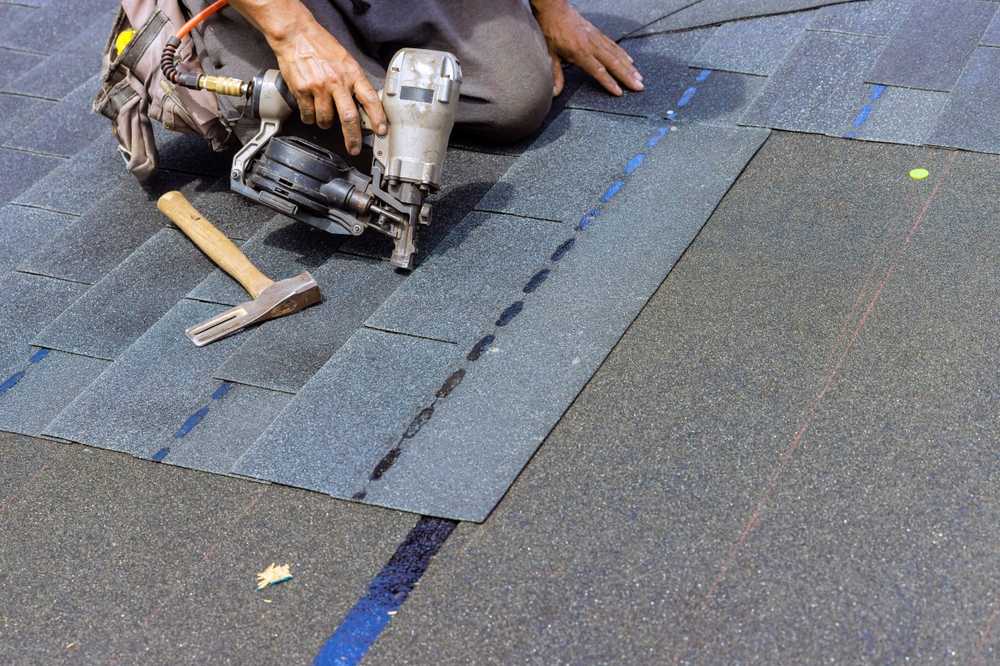
Selecting the appropriate contractor is vital for a successful roof installation. Conduct comprehensive research, review feedback, and seek referrals from acquaintances. A reliable contractor will demonstrate a history of high-quality work and content clients.
Licensing and Insurance
Ensure your contractor is licensed and insured. Licensing shows they have the skills to do the job correctly, and insurance protects you from liability during the roof installation.
Experience and Reputation
Experience is key in roofing. An experienced contractor can handle various materials and roof installation challenges. Check their reputation by asking for references and viewing their completed projects.
Factor 6: Building Codes and Permits
Local Regulations
Before starting your roofing project, familiarize yourself with local building codes. These codes dictate the types of materials and methods allowed. Adhering to these ensures your roof is safe and compliant.
Permit Requirements
Most roofing projects require local permits. Your contractor should handle this, but ensure all necessary permits are obtained before starting.
Factor 7: Warranty and Guarantees
Material Warranties
Different roofing materials come with various warranties. Review and understand what each warranty covers and its duration.
Workmanship Guarantees
Reputable contractors offer workmanship guarantees that cover installation errors. This ensures that any issues caused by improper roof installation will be addressed.
Manufacturer vs. Contractor Warranties
Know the difference between manufacturer and contractor warranties. Manufacturer warranties cover material defects, while contractor warranties cover roof installation quality. Ensure you have both for full protection.
Factor 8: Timing and Seasonal Considerations
Optimal Installation Seasons
The timing of your roof installation can impact success. Spring and fall are generally best due to mild weather. Avoid scheduling during extreme weather to prevent delays and damage.
Weather Delays
Weather can be unpredictable. Choose a contractor who communicates well and provides updates. Being prepared for delays can help manage expectations.
Project Timeline
Discuss the estimated timeline with your contractor. Understanding the project’s duration helps you plan and know what to expect.
Contact Our Team Today
Installing a new roof is a significant investment that requires careful consideration of various factors. By understanding the different roofing materials, assessing your local climate, budgeting appropriately, and choosing a reputable contractor, you can ensure a successful roof installation that enhances your home’s value and protection.
Ready to take the next step in your roofing journey? Contact our experts at Amenity Roofing in Oswego, IL, today at (630) 636-9954 to schedule a free estimate.
